When planning a classic EV conversion, it is tempting to start with one question: how big can the battery be? Battery size matters, but it is not the only thing that decides real-world range.
Two vehicles with the same battery capacity can travel very different distances. Weight, speed, aerodynamics, tyres, gearing, motor efficiency, charging behaviour and heating or cooling loads all affect the result.
Battery capacity is only the starting point
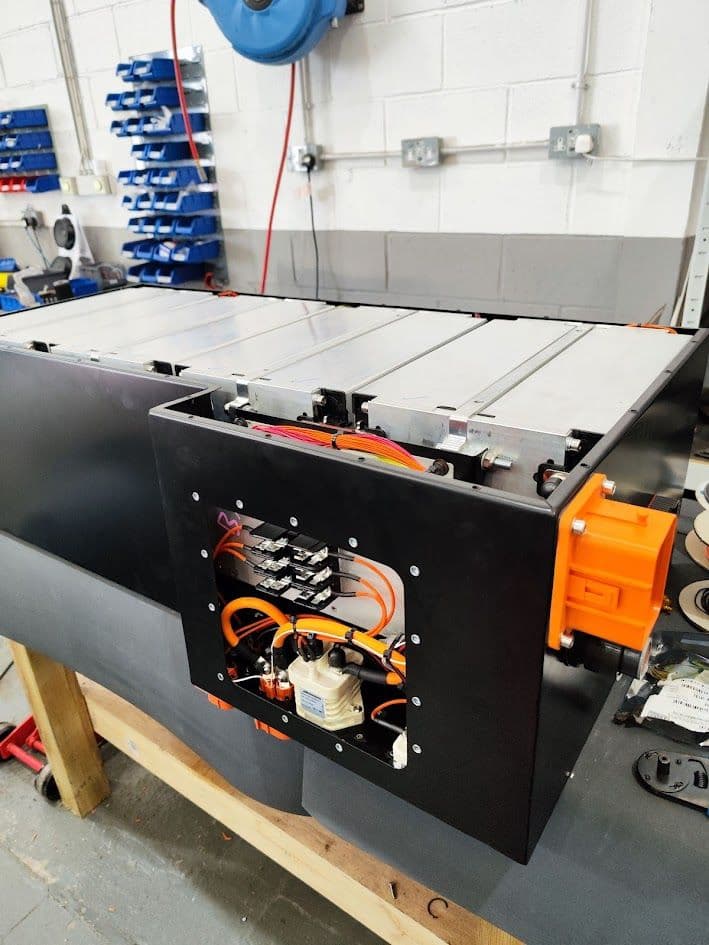
Battery capacity is usually measured in kilowatt-hours. A larger kWh number generally means more stored energy, but not all of that energy may be usable. The BMS will normally protect the pack from being fully charged or fully discharged beyond safe limits.
A well-designed conversion should use realistic usable capacity when estimating range, not just the headline figure from the donor vehicle or module listing.
Vehicle shape has a huge effect
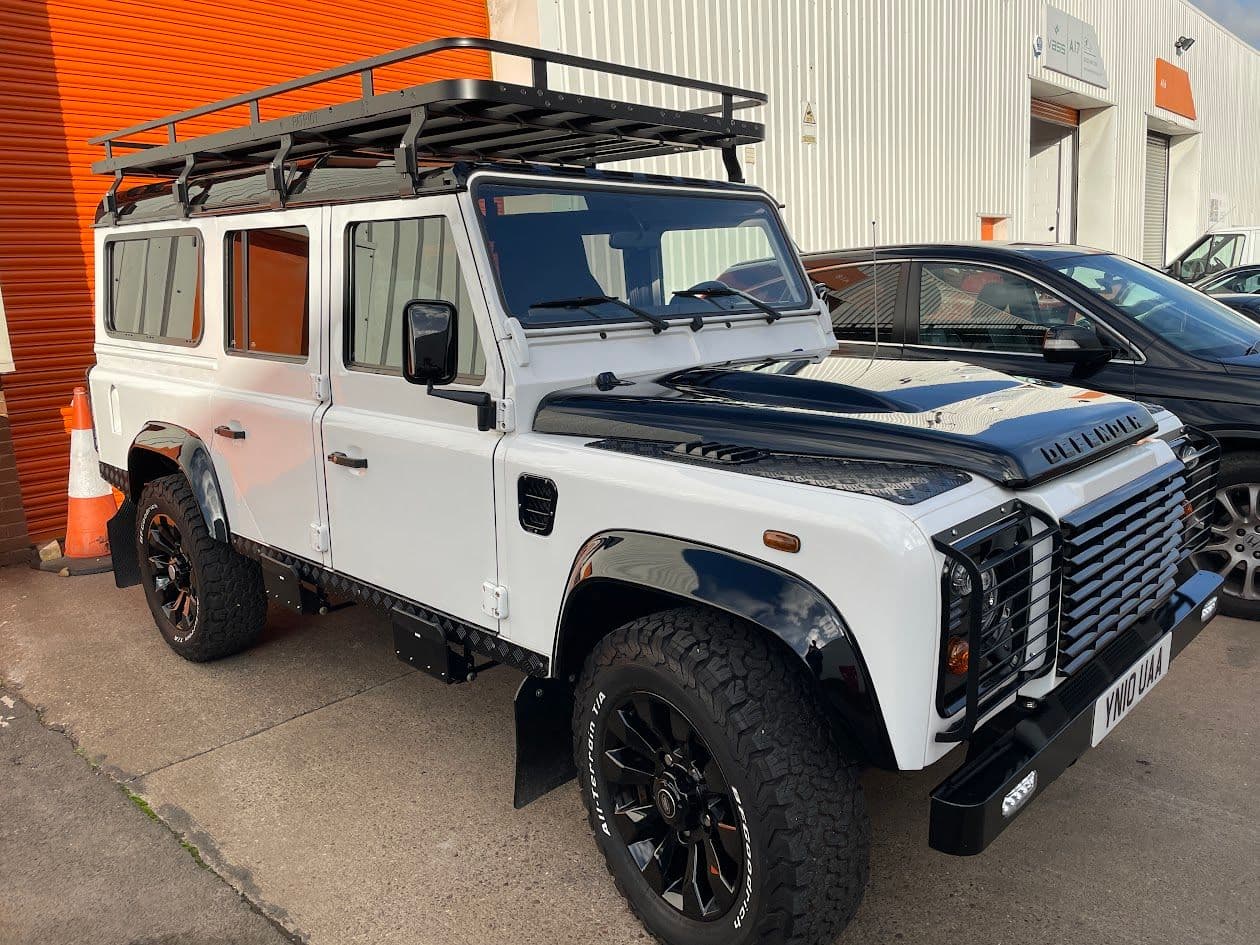
Aerodynamics are one of the biggest reasons classic vehicles can have lower range than people expect. A small rounded car and a square Land Rover may use very different amounts of energy at motorway speeds, even if they have similar battery capacity.
This is why range estimates need to be vehicle-specific. A Defender, van or pickup will normally need more battery for the same motorway range than a smaller, lower car.
Speed matters more than many owners realise
An EV conversion may feel effortless at 70 mph, but energy use rises quickly with speed. For boxy classics, the difference between 55 mph and 70 mph can be significant.
A realistic range estimate should include the kind of driving the owner actually does: town use, A-roads, motorway, towing, off-road use or long-distance touring.
Tyres, gearing and drivetrain losses all count
Large off-road tyres, aggressive tread patterns, heavy wheels and inefficient drivetrain layouts all increase energy use. In a 4WD vehicle, transfer case and axle losses also matter.
This does not mean every vehicle should be optimised only for range. It means the trade-off should be understood. A Defender on all-terrain tyres may be exactly what the owner wants, but it should not be sold with unrealistic range expectations.
Heating and cooling use energy too
Cabin heating, air conditioning, battery heating and battery cooling all use energy. In winter, a cold battery may also be less efficient and may restrict charging or power output.
For a high-quality conversion, thermal management should be part of the range discussion. A pack that stays in the right temperature window will be more consistent and easier to live with.
Usable range is more important than maximum range
Owners rarely drive from 100% to 0%. A more useful question is: what range can the vehicle achieve comfortably while keeping a sensible reserve?
For example, a vehicle that can cover a reliable 100 miles with reserve may be better than one advertised as 150 miles in ideal conditions but difficult to use in real life.
The right battery is a balance
Adding more battery increases range, but it also adds weight, cost and packaging complexity. At some point, a larger pack can make the vehicle heavier, slower to build, harder to cool and more expensive to service.
The best battery size is the one that matches the vehicle's purpose. A city classic, a weekend toy, a daily driver and a touring 4x4 should not all be designed to the same target.
How VASS Technology approaches range planning
At VASS Technology, we look at battery capacity, vehicle type, expected use, charging access, weight, packaging and thermal management together. The goal is to give the owner a realistic specification before the build starts.
A good EV conversion should not rely on optimistic numbers. It should be designed around the way the vehicle will actually be driven.
Not sure what battery size your conversion needs? Contact VASS Technology for a realistic range and packaging discussion.
FAQ section
How is EV conversion range calculated?
Range is estimated from usable battery capacity and expected energy consumption. Energy consumption depends on vehicle weight, aerodynamics, tyres, speed, drivetrain efficiency and accessory loads.
Does a bigger battery always mean a better EV conversion?
No. A bigger battery can increase range, but it also increases weight, cost and packaging complexity. The best battery size depends on the vehicle and its intended use.
Why do classic EV conversions sometimes have lower range than modern EVs?
Modern EVs are designed around aerodynamics, efficiency and battery packaging from the start. Classic vehicles often have more drag, older drivetrain layouts and less efficient packaging space.
What is a realistic range target for a classic EV conversion?
It depends on the car. A small city classic may need much less range than a large touring vehicle or 4WD. The target should be based on how the owner actually uses the vehicle.