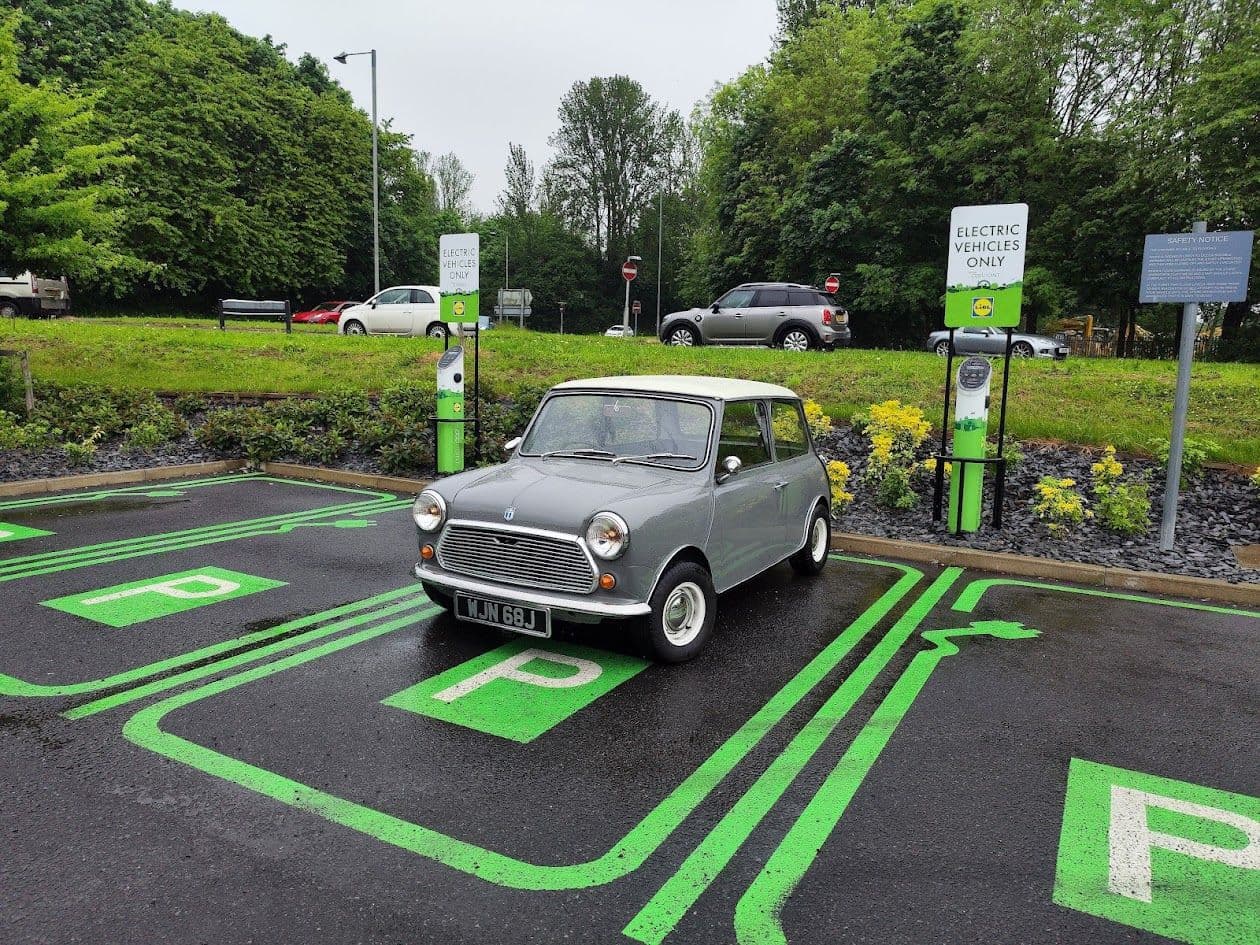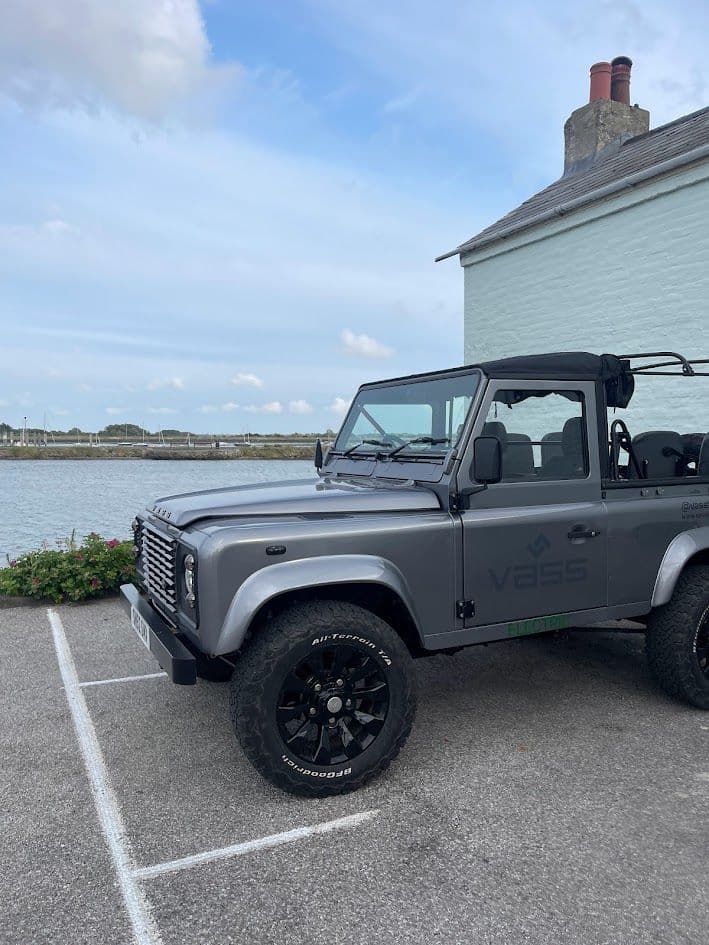
One of the first questions most owners ask is simple: how much does it cost to convert a classic car to electric in the UK?
The honest answer is that there is no single fixed price. A small lightweight city car conversion is very different from a high-power Land Rover Defender, a grand tourer, a van, or a one-off vehicle that needs fast charging, air conditioning, battery cooling and custom electronics.
At VASS Technology, we look at EV conversions as complete vehicle engineering projects, not just a motor and a battery fitted into an old car. The final cost usually depends on five main areas: the battery pack, the motor and drivetrain, charging, fabrication, and the level of safety and integration required.
The battery pack is usually the biggest cost driver
The battery is normally one of the most expensive parts of a classic EV conversion. A short-range town car may only need a modest battery, while a larger touring vehicle needs much more usable energy if it is expected to cover real motorway miles.
Battery cost depends on capacity, cell chemistry, whether the modules are new or used OEM parts, the BMS, the enclosure, cooling, contactors, fusing, isolation monitoring and service access. A cheap battery installation can quickly become expensive if it overheats, lacks diagnostics, is hard to remove, or cannot be safely maintained.
Motor choice changes the character of the vehicle
Motor packages can range from compact OEM EV drive units to custom motor-to-gearbox solutions. Some vehicles suit a single drive unit. Others need a bespoke adapter, reduction gearbox, prop shaft changes or retention of the original 4WD system.
The best motor is not always the one with the biggest power number. Packaging, cooling, control, parts availability and drivability matter just as much. A well-matched motor package should feel natural in the vehicle and should not overstress the rest of the drivetrain.
Charging and 12V systems are part of the conversion, not extras
A usable EV conversion needs an onboard charger, a DC-DC converter for the 12V system, a charge port, contactors, precharge, fusing, shutdown logic and correct high-voltage routing.
DC fast charging can be added to some projects, but it adds complexity. The car must communicate safely with the charger, respect battery current and temperature limits, and handle faults correctly. For many classic vehicles, good AC charging and a properly designed battery system may be more important than chasing the highest possible charging speed.
Fabrication can make or break the project
Classic vehicles were not designed for battery modules, inverters, chargers, high-voltage junction boxes, electric heaters and cooling circuits. Every component needs to be mounted safely, securely and serviceably.
Fabrication work can include battery boxes, motor mounts, gearbox adapters, charger brackets, cable routing, underbody protection, coolant pipework and interior integration. Good fabrication is not just about making things fit. It is about making the finished vehicle safe, tidy and maintainable.
Safety and diagnostics are where professional conversions stand out
A proper EV conversion should know when it is safe to close contactors, when to pre-charge, when to limit power, when to stop charging and when to shut down. The system should also provide useful diagnostics so that future faults can be found quickly.
Important safety systems include a BMS, fusing, contactor control, isolation monitoring, temperature monitoring, current measurement, high-voltage interlock where appropriate, correct labelling and safe emergency shutdown behaviour.
So what should owners budget?
As a broad guide, a basic classic EV conversion normally starts in the tens of thousands of pounds. More complex bespoke builds, especially high-power 4WD vehicles or long-range touring vehicles, can cost significantly more.
The right way to price a conversion is to start with the vehicle's intended use. A weekend city car, a daily driver, a tow vehicle and an off-road Defender all need different engineering decisions.
Is an EV conversion worth it?
For the right vehicle and owner, yes. An EV conversion can make a classic smoother, quieter, easier to drive and more usable in modern traffic. It can also reduce some of the maintenance problems associated with old engines, fuel systems and gearboxes.
However, not every vehicle should be converted. Some cars are better restored with their original drivetrain. Others may benefit more from wiring rectification, air conditioning, gearbox upgrades or a mild restomod rather than a full EV conversion.
How VASS Technology can help
VASS Technology supports classic car owners, builders and workshops with EV conversion planning, high-voltage system design, battery integration, motor and inverter integration, wiring, charging systems, CAN bus diagnostics and rectification of existing conversions.
Based in Northamptonshire, we work with owners who want a properly engineered, serviceable and reliable conversion rather than a collection of parts bolted together.
Thinking about converting a classic car to electric? Contact VASS Technology to discuss your project.
FAQ section
How much does it cost to convert a classic car to electric in the UK?
The cost depends on the vehicle, battery size, motor package, fabrication work, charging system and level of integration. Simple conversions can start in the tens of thousands, while complex bespoke builds can cost significantly more.
Can any classic car be converted to electric?
Most classic cars can be converted in theory, but not every car is a good candidate. Packaging space, vehicle weight, drivetrain layout, value and intended use all affect whether a conversion makes sense.
What is usually the most expensive part of an EV conversion?
The battery system is often the biggest cost driver, especially when the project needs useful range, cooling, safety systems, diagnostics and a serviceable enclosure.
Can a classic EV conversion use fast charging?
Some conversions can support DC fast charging, but it requires extra engineering for charger communication, battery limits, contactor control, safety checks and thermal management.